
Non-Eventful Negotiations of Difference at a Thrash Metal Concert
21 August 2026
In diverse societies, cultural “hotspots” often emerge unintentionally. We frequently gravitate toward familiar cultural spaces, sounds, movements, and forms of interaction. Music can bridge social differences, but it can also loudly reveal the boundaries of cultural familiarity and belonging. As a Nigerian graduate student in Canada, much of my musical world has consisted of people who look, move, dance, and respond like me. We roll our waists to Fela, sway to Awilo Longomba, and move through the watery rhythms of Tyla. There is familiarity in these spaces not simply because of the music itself but because the social choreography is already known.
Therefore, when I attended a thrash metal concert, I immediately became aware of difference. The music was unfamiliar, but more than that, the room itself felt socially and racially unfamiliar. I recognized very few of the bands or cultural references that seemed to unite the crowd. At the same time, I was struck by how predominantly white the audience was, with only a handful of people of colour present. Together, these factors heightened my awareness that I was an outsider to this particular scene. I became hyperaware of my body, my movements, my visibility, and my discomfort. By alienation, I refer to a cumulative sense of estrangement, produced by unfamiliar music, an unfamiliar social world, and my heightened awareness of being visibly different.
Yet it was within this discomfort that Lori Beaman (2017) argues deep equality can emerge. Deep equality is the practice of living well with difference through everyday acts of mutual recognition, respect, and negotiation. It does not require difference to disappear; rather, it is expressed through ordinary interactions that acknowledge difference while making shared social life possible.
Beaman suggests that deep equality is facilitated by what she calls "non-events": seemingly ordinary moments that pass without conflict because people quietly negotiate difference through small gestures of recognition and accommodation. These “non-events” do not erase discomfort or dissolve racial difference, but they can briefly interrupt the sense of alienation, creating instances in which an unfamiliar space feels, however temporarily, more welcoming and inhabitable. This essay examines how uneventful negotiations of difference can emerge even within spaces marked by heightened awareness of difference. In doing so, I argue that ordinary coexistence does not require the disappearance of discomfort but can exist alongside discomfort, quietly.
Experiences of non-eventful difference in a racially unfamiliar space
The thrash metal concert I attended was headlined by Megadeth and opened by Anthrax and Exodus in Ottawa, Ontario, Canada. I attended it as part of a personal “cultural exchange” with my boyfriend: he introduced me to thrash metal while I introduced him to Afrobeats. Before attending, we joked repeatedly about the racial dynamics of the event, since thrash metal was not a musical space typically associated with racial diversity. In our pre-concert negotiations, we considered the hypervisibility I was sure to feel:
“I will be stared at,” I had insisted.
“There are Black fans of thrash metal,” he reassured me.
Both statements would ultimately prove true.
I could argue that my attendance at the concert itself reflected a form of deep equality. I was immersing myself in a musical and cultural space far removed from my own familiar social world. Yet the racial dynamics of the room remained loud. I was stared at. I was uncomfortable. The violent movements of moshing and the frenetic rhythm of headbanging were unfamiliar to my body. I tried to move with the music, but my movements felt rigid, almost performative.
At some point during Megadeth’s set, overwhelmed and overheated, I slipped away to the bathroom for a moment of quiet. In a room filled with leather jackets, black lipstick, and practiced ease, I became acutely aware of my own visibility: my bright flower earrings, my cautious movements, and my closed lips during songs I did not yet know by heart.
And yet, the moments that softened my discomfort were not dramatic acts of inclusion, but tiny instances of ordinary interaction.
Earlier in the night, I had made eye contact with one of the few Black women I would notice in the crowd. We laughed immediately. Without speaking, we understood the reason for our shared amusement; we had both stepped into a racially unfamiliar musical space for the people we loved. My friends, whose love for thrash metal had secured my attendance, flanked me. Beside her, who I assumed to be her husband and daughter, chatted excitedly, they were oblivious to the brief moment of recognition passing between us. I felt my shoulders loosen. I could be here.
Later, while leaving the restroom, a white woman beside me paused and said, “I love your earrings.”
I looked up, smiled broadly, and thanked her. The compliment mattered more than she, or even I, immediately understood. In a space where I had become hyperaware of my visibility and difference, her recognition of my earrings (and ultimately of me as the wearer of said earrings), momentarily shifted my relationship to the room itself. When I walked out of the restroom, I noticed I was holding my head a bit higher than before.
Deep equality and non-events in uncomfortable spaces
These moments of shared recognition over seemingly ordinary resonances did not erase my discomfort or dissolve the racial dynamics of the space. They did not transform the concert into a utopian scene of multicultural harmony. Yet, these uneventful gestures of human recognition exemplify what Lori Beaman describes as deep equality. Rather than emerging through grand gestures or the disappearance of difference, deep equality is enacted through ordinary encounters in which people acknowledge one another across differences and find ways of relating. It is sustained through the small, everyday negotiations that often go unnoticed precisely because they are so ordinary.
The ordinariness of these acts makes them non-events. Non-events are taken seriously as demonstration of deep equality because they are so easy to overlook. These are not dramatic performances of inclusion or public declarations of multicultural coexistence. Instead, they are the unremarkable and often invisible moments in which difference remains socially present but does not fully lead into conflict within everyday social interactions.
My experience at the thrash metal concert demonstrates this tension clearly. The space remained racially unfamiliar and, at times, uncomfortable. I remained aware of my visible difference within the crowd. In spite of this, the moments that softened my discomfort did not emerge through formal inclusion, but through mundane exchanges of social coexistence: shared laughter, casual compliments, and instances of recognition. These interactions did not erase the racial dynamics of the concert or my unfamiliarity with the thrash metal scene. However, they created a brief space in which my shared identities with some people in the crowd—as women, and as people able to appreciate one another's style—became more salient than the differences that had previously defined my experience in the scene. In those ordinary episodes of recognition, alienation was not overcome, but it was interrupted.
These seemingly insignificant exchanges exemplify Deep Equality. These interactions mattered not because they erased difference, but because they complicated the experience of difference. They revealed that social life, even within spaces marked by visible difference and discomfort, cannot be fully reduced to conflict.
Studies of, and public conversations about, diversity and social cohesion often prioritize visible conflict, rupture, and difference. Yet, as the framework of deep equality suggests, paying attention to everyday non-eventful negotiations of difference reveals how people may find connection with one another in ordinary, fleeting and often imperfect ways. This capacity may, in turn, provide insight into the human capacity for social repair during, after, and in spite of social conflict.
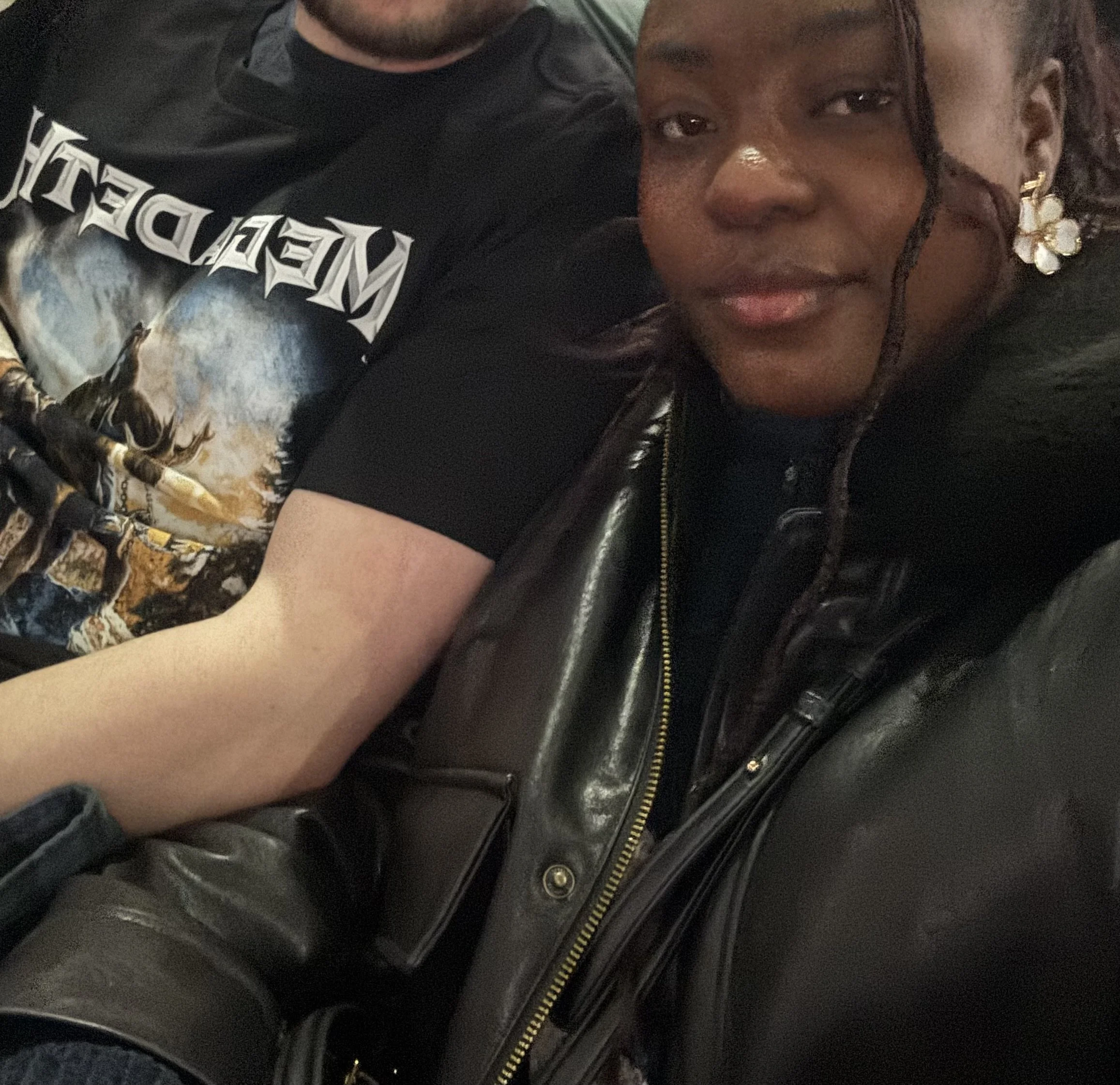
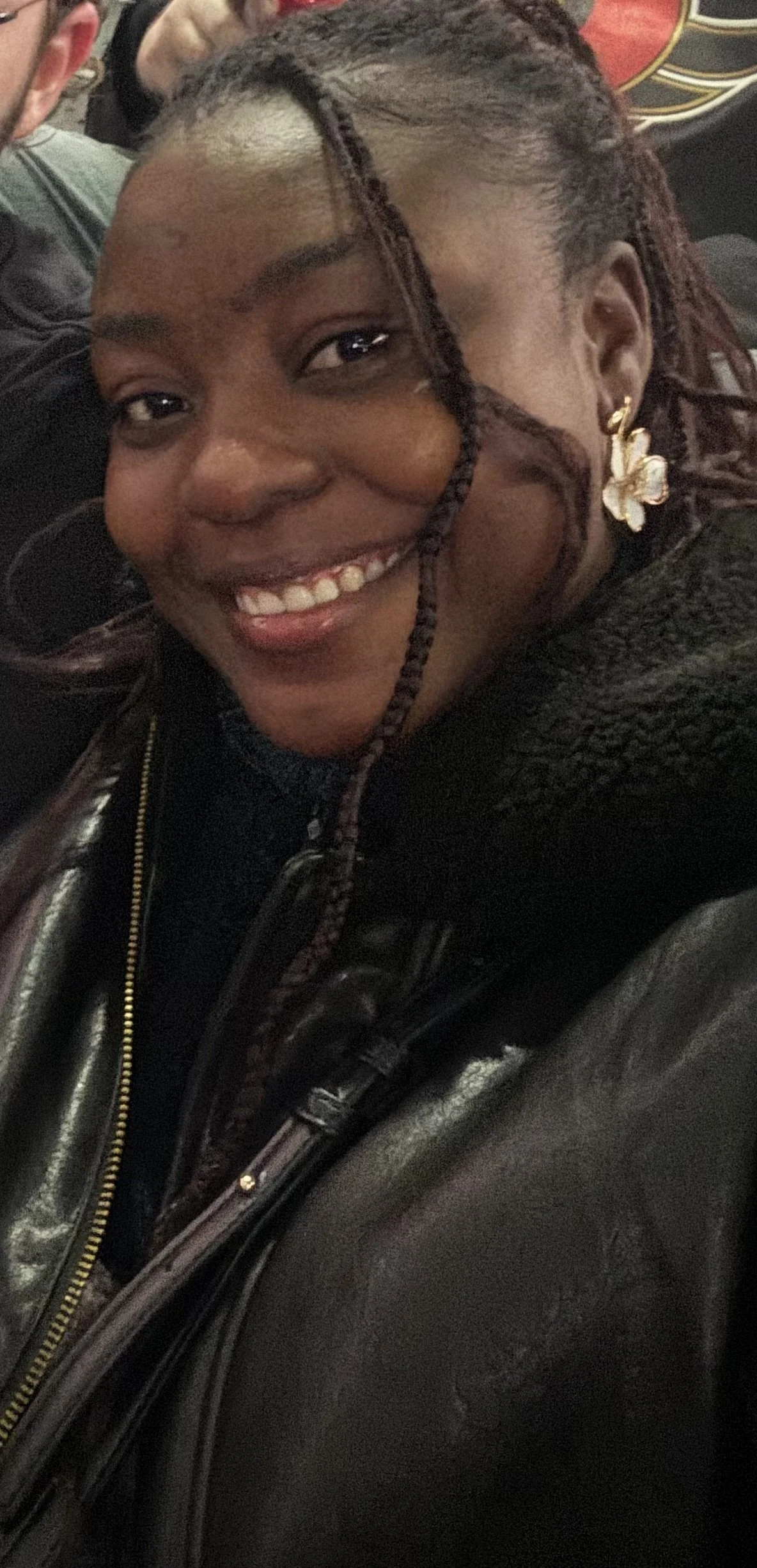
Patience Otitoju Olawunmi at the concert
References
Beaman, L. G. (2017). Deep Equality in an Era of Religious Diversity (Vol. 1). Oxford University Press. https://doi.org/10.1093/oso/9780198803485.001.0001
Megadeth. (2026, March 1). Destroy All Enemies Tour [Live concert featuring Anthrax and Exodus]. Canadian Tire Centre, Ottawa, Ontario.